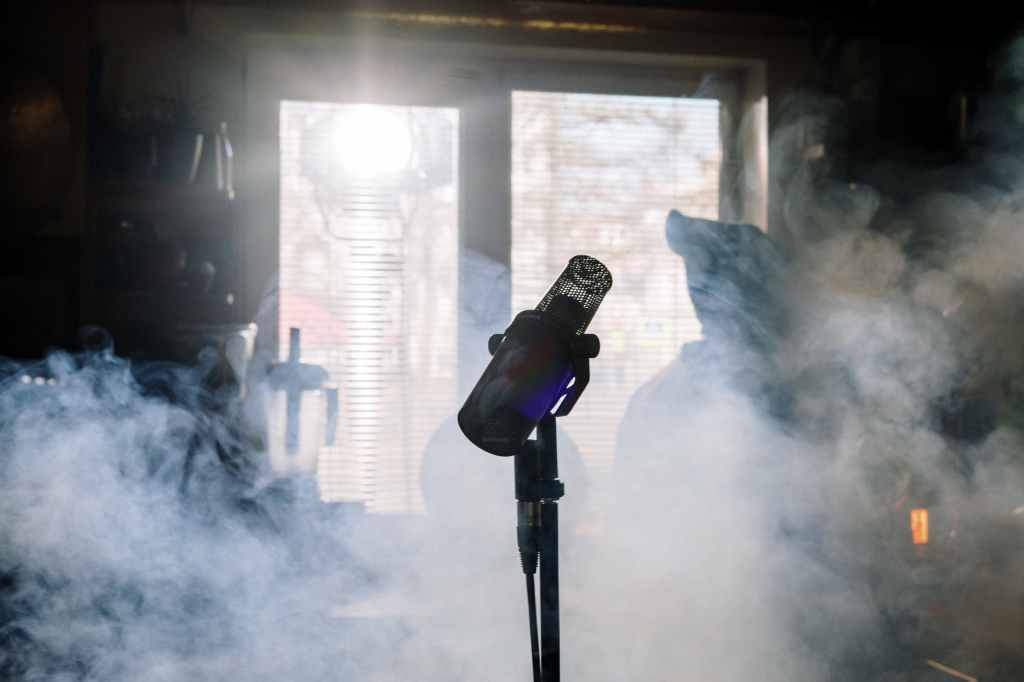
I spent some of my shelter-in-place time watching #TheVoice this season. What a challenge it was to move from a live-audience concert show to recorded video from the contestants’ homes. Having formerly worked in the film industry, I was quite amazed at the remote capabilities created by the staff and their singing “interns,” if you will, in creating music videos that enabled the homebound audience to engage and vote for their favorites.
Likewise, I have been enchanted by the musical choices churches are making during their foray into online worship. Sometimes it is a solo, other times a choral performance across multiple sites, and still others are simply an instrumental with pictures painting a thousand words of praise.

Human beings need music. So it is no surprise that people are concerned about returning to sanctuaries and trying to provide music when singing is now believed to be a super-spreader, even with physical distancing. I have the luxury (and heartbreak) of being sidelined from this discussion in real-time as I do not currently serve a church. I would like to share some thought from the perspective of the pew, or couch, as I think about returning to the sacred spaces where music has always proclaimed the gospel in ways that preaching longs to do.
First, to you preachers: WOW. What an amazing job you are doing. Thank you so much. I have virtually visited many different congregations and cannot begin to tell you how much I appreciate your WORDS from God’s own Word. The ways you have also incorporated prayer, stillness, a call to action, and song are varied and beautiful. Please do not feel unappreciated by the discussions around the longing for singing.
Second, in my tradition the hymns have become the people’s theological response to God’s call to worship. We can read the Bible, repeat the prayers, and make our offerings. Yet, it is the way the music moves our bodies, vibrates in our throats, and erupts in poetry that helps us unite ourselves to the preacher’s proclamation. Out here in the pews, we want to shake, rattle, and roll with the same passion our pastors demonstrate. What will allow us to do this in a properly distanced, un-sung, musical expression?
My thoughts have gone to instrumental offerings by the laity. Not up front. Right where we sit. Clean and hand out the kids’ musical instruments one Sunday. Let us join the organ or piano. Give a mid-week drum making class and ask everyone to bring their creation, whether it is an oatmeal box or a tambourine made of keys on a ring. Take the time to let a drum circle creation to arise while a psalm is read, maybe repeated.
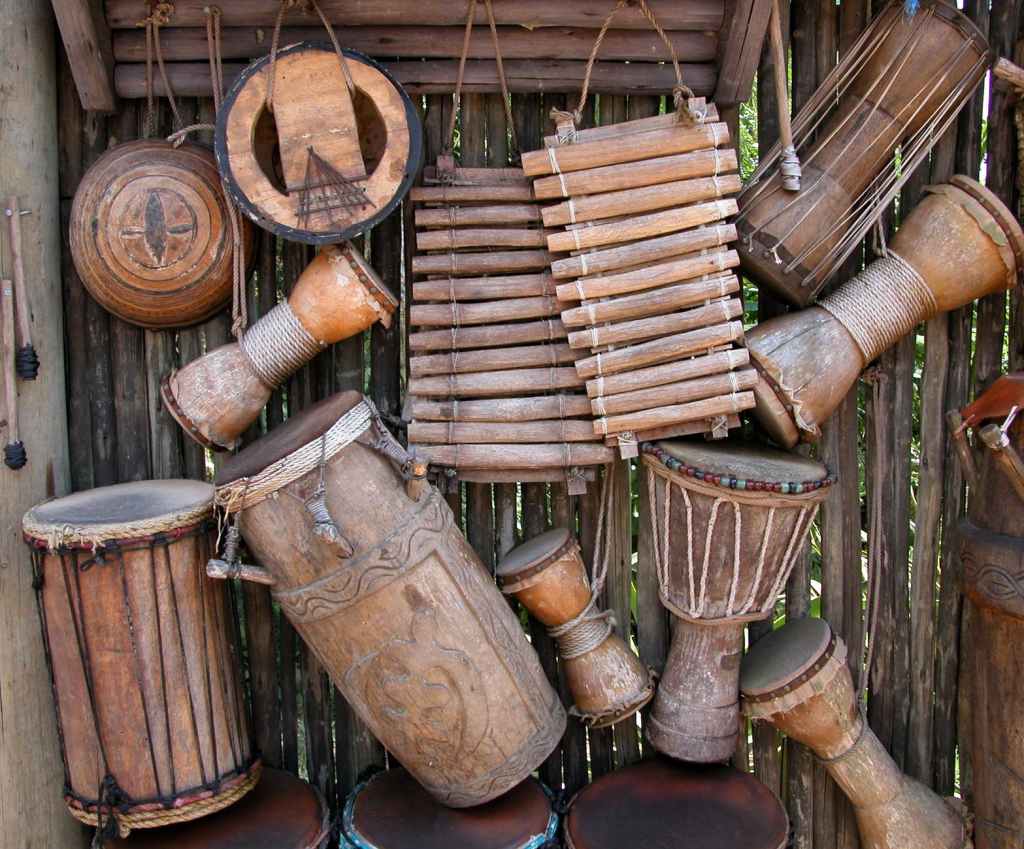
You get the idea. I’m not the most creative person musically; but, what I hope to convey is that by partnering with those in our churches who are and setting them free, we might discover new ways to musically praise our God without singing.
One of the most moving invocations I’ve ever experienced occurred at a Montreat Youth Conference. The procession of teenagers dressed in white, barefooted, bringing in the elements in an elaborately simple dance to the Michael W. Smith rendition of “Agnus Dei,” was a musical moment in which the whole people of God observed the entrance of the Holy Presence, were captivated, and ultimately participated in the opening of worship. In that experience, it was not the sound of the congregation but our silence that spoke volumes into the sacred moment we shared.
I look forward to the new song God is teaching us to sing. May we forever join to sing, “Holy, holy, holy God.” Amen.

 bevfriedlander